Eye Health

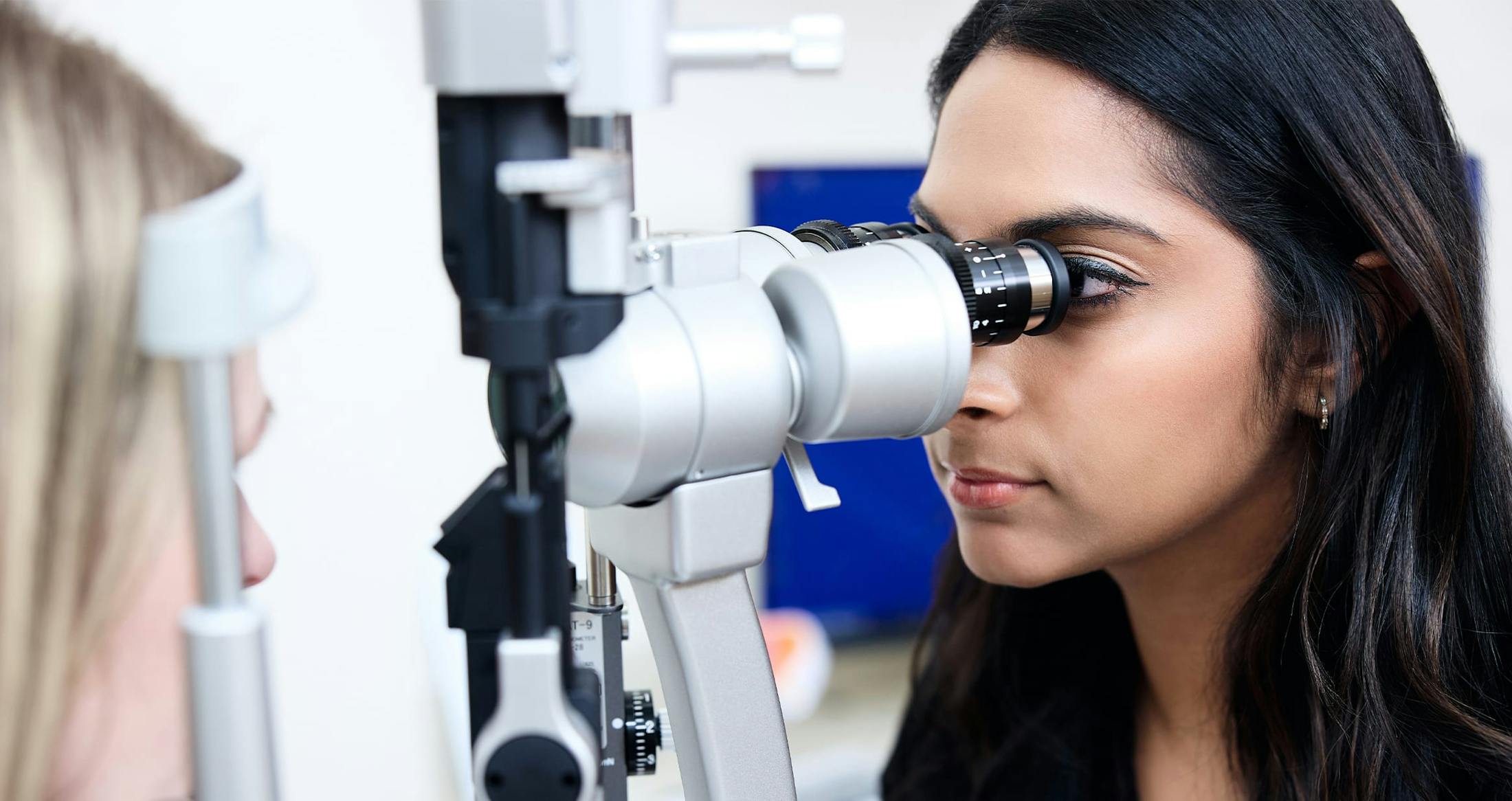
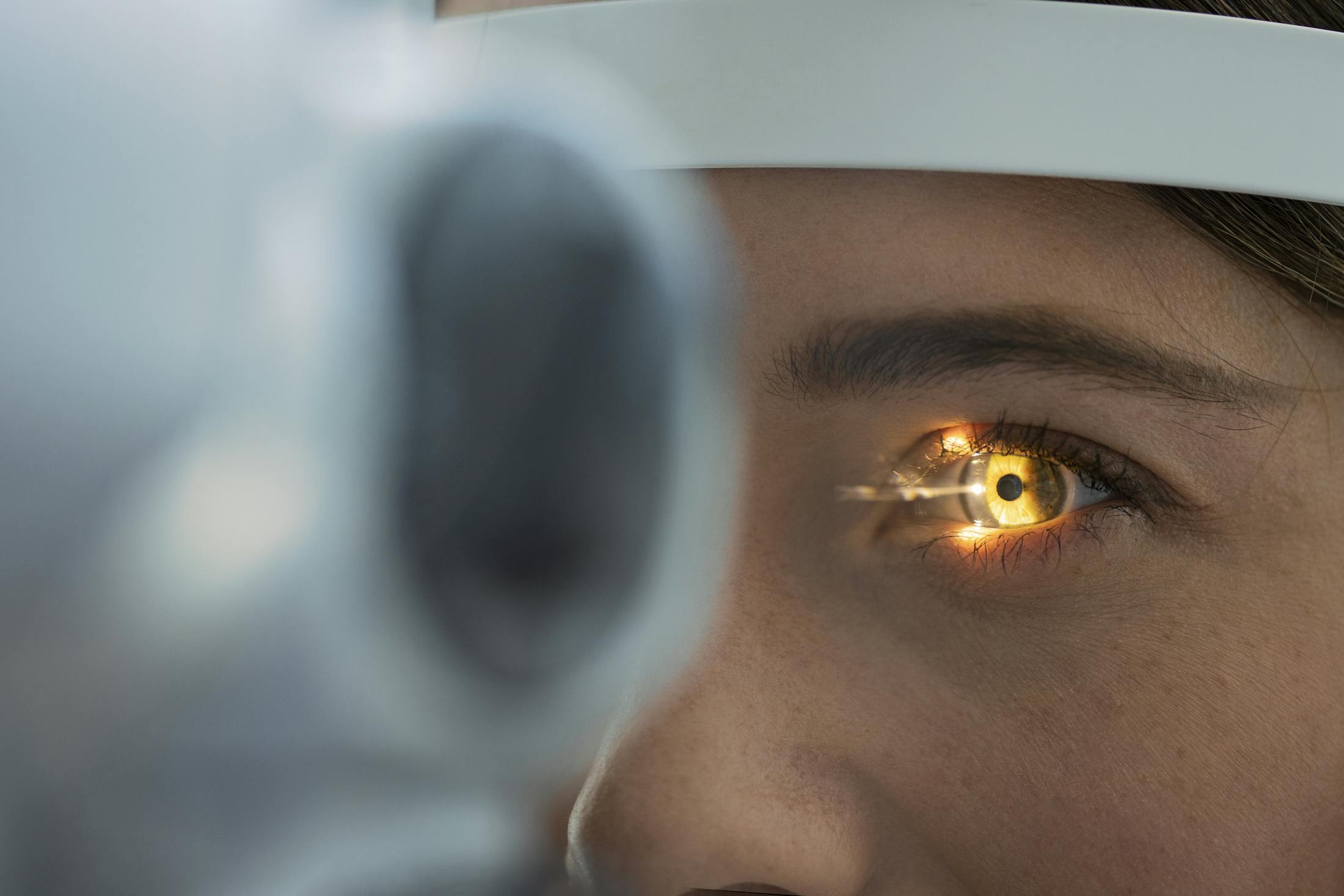
As part of a comprehensive eye exam, our Oxford ophthalmologist examines the overall health of the eye through a visual examination and tonometry. Dr. Jindal evaluates eye health by visually inspecting the eye and eyelids using magnification and a bright light. To examine the internal structures of the eye, we may dilate the pupils. Increased eye pressure may be an indicator of glaucoma, so we utilize tonometry to measure eye pressure. After completing these short tests, Dr. Jindal reviews the results and discusses any necessary treatment options with you. Contact us today to schedule a comprehensive eye exam in Raleigh & Oxford, NC.

Vision Testing

Regular vision testing and evaluations ensure that you always have the clearest vision possible. Our Oxford ophthalmologist provides regular vision acuity test as part of a comprehensive vision exam. Dr. Jindal will measure how each eye is seeing by using a wall eye chart and a reading eye chart. The results of these tests are portrayed as a fraction, with 20/20 being the standard for normal distance and reading vision. Depending on the results of your vision test, Dr. Jindal may prescribe corrective glasses, contacts, or eye exercises.


Banner media
Woman looking at eyes in mirror

Eye Function Testing

In addition to vision testing, an eye exam in our Oxford office includes testing eye functionality. Our ophthalmologist performs several tests to evaluate depth perception, color vision, eye muscle capabilities, peripheral vision, and responsiveness to light. Several other simple tests are completed to determine whether the eyes are focusing, moving, and working together properly. The test results enable Dr. Jindal to diagnose any underlying conditions that may be impairing the eyes ability to focus or work together.

Why Are Eye Exams so Important?

It is not common that you would schedule an eye exam when your eyes feel fine. What many people do not realize is that many degenerative eye diseases cannot be felt. Glaucoma, for example, is painless and is often referred to as the sneak thief of sight.

Background media

Schedule A Consultation

Contact Us
Contact us media
Woman's eye being examined

Eye Exam and Consultation

During an eye exam in Raleigh or Oxford, Dr. Vinod Jindal will ask you questions about any symptoms or issues you are experiencing, medications you are currently taking, any blurry vision, your work environment, and your overall health. Family history and previous eye or vision conditions will also be discussed during this part of the examination. Dr. Jindal will consider this information when determining any treatments or recommendations.

Benefits of Eye Exams

Adults, children and senior citizens all need yearly eye exams. Individuals with chronic health problems, like high blood pressure and diabetes, may need eye exams more often.

  • Catch refractive errors early
  • Catch other diseases early
  • Get your eyes tested for common eye diseases
Banner media

Your Comprehensive Eye Exam in Raleigh or Oxford

At New Century Ophthalmology, a comprehensive eye exam involves testing your visual acuity as well as checking for eye diseases. When you first walk into our office, you will be brought to a room with a few pieces of equipment. In this room, we will screen your eyes for many things, and the results will aid the doctor in the examination room.

Testing Your Visual Acuity

Once you are in the exam room, the doctor will test your visual acuity by having you read letters and/or numbers from an eye chart. If you do not see 20/20, which is considered appropriate vision, our doctors will test various lenses in order to determine your eyeglass or contact prescription.

Color Blindness Test

Children and individuals who have never been tested for color blindness may undergo a color blindness test. This test involves looking at circles with various colored dots and stating the number that is seen in the center of the circle. Red/green color blindness is the most common type and affects males more than females.

Depth Perception Test

Your depth perception allows you to tell how far away an object is located. This test is often given to children but may also be given to adults. It involves looking at dots on a page and stating whether or not they appear elevated. Individuals without depth perception typically have a lazy eye or problems with eye teaming. Certain eye exercises and visual therapy may be able to help increase your eyes’ ability to work together.

Eye Movement Test

Eye movement tests check to see how well your eyes move and focus on objects. This often involves following a pen or our eye doctor’s finger while he or she watches your eyes. Problems with eye mobility can lead to eye strain and difficulty reading. If you play sports, having limited eye mobility and slow focus can affect your performance.

Eye Health

As part of a comprehensive eye exam, our doctors examine the overall health of the eye by visually inspecting the eye and eyelids using magnification and a bright light. To examine the internal structures of the eye, we may dilate the pupils.  This test involves putting a few eye drops in your eyes to dilate your pupils.  If our doctor plans to administer this test, we will suggest that you bring a second driver.

Eye Exam Scheduling

Children, adults and seniors should schedule yearly eye exams. If you have a chronic disease, like high blood pressure, high cholesterol or diabetes, or an eye condition, like glaucoma or age-related macular degeneration, more frequent eye exams may be needed. To schedule an appointment for your next eye exam in Raleigh or Oxford, NC, call our office today.

Logo media
Banner media
Doctor media

Why Choose New Century Ophthalmology for Eye and Vision Exams in Raleigh, NC?

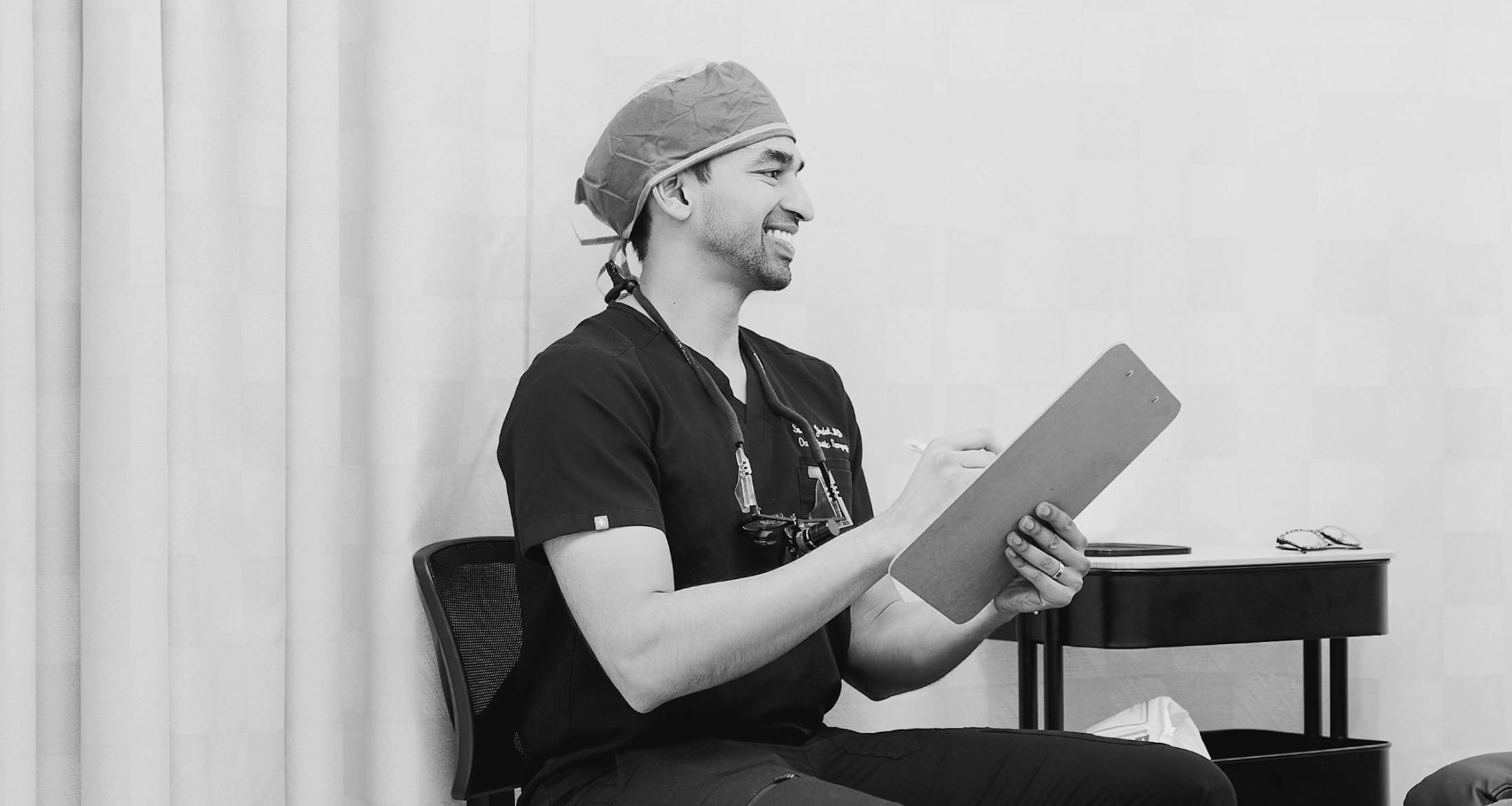
At New Century Ophthalmology, our team of highly skilled and board-certified ophthalmologists is dedicated to providing comprehensive eye care for every patient. Dr. Vinod Jindal, Dr. Sumeet Jindal, and Dr. Samantha Prabakaran bring extensive experience and expertise in both routine and advanced diagnostic eye care.

Whether you need a routine eye exam to maintain healthy vision or a comprehensive vision evaluation to detect underlying issues, our providers use state-of-the-art technology to ensure accurate assessments and personalized care. Each patient receives attention tailored to their unique needs, combining clinical excellence with a compassionate approach.

With locations in Raleigh and Oxford, NC, our team is committed to helping you preserve and enhance your vision at every stage of life. Choosing New Century Ophthalmology means entrusting your eyes to a practice that prioritizes precision, comfort, and lasting eye health.

Eye Exam / Vision Exam FAQ

How often should I get an eye exam?

It is recommended to have an eye exam at least once a year, especially for adults, children, and seniors. If you have chronic conditions like high blood pressure or diabetes, or a history of eye disease, more frequent exams may be needed.

What is tested during a routine eye exam?

A routine eye exam includes visual acuity testing, color blindness testing, depth perception tests, eye movement evaluations, and a comprehensive check of your eye health. We also test for conditions such as glaucoma and macular degeneration.

Do I need to bring a driver for my eye exam?

If your pupils are dilated during the exam to evaluate the internal structures of your eye, it is recommended to bring a driver, as the dilation may temporarily blur your vision.

What is the purpose of pupil dilation during an eye exam?

Pupil dilation is used to get a better view of the internal structures of the eye, helping to detect conditions like glaucoma, macular degeneration, and diabetic retinopathy. It involves using eye drops that widen the pupils for a more thorough examination.

What if I experience blurry vision or other symptoms?

If you're experiencing blurry vision or other visual symptoms, it is important to schedule an eye exam as soon as possible. Early detection of eye conditions can prevent further vision loss and allow for more effective treatment.

Can an eye exam detect other health conditions?

Yes, eye exams can often detect signs of underlying health conditions such as high blood pressure, diabetes, or high cholesterol, as they can manifest in the eyes before other symptoms appear.

Contact us media
Accessibility: If you are vision-impaired or have some other impairment covered by the Americans with Disabilities Act or a similar law, and you wish to discuss potential accommodations related to using this website, please contact our Accessibility Manager at (919) 234-7406.
Contact Us